One lesson that meets each student where they are.
Build a lesson once and give each student the supports they need. Progress is recorded while they work, not pieced together afterward.
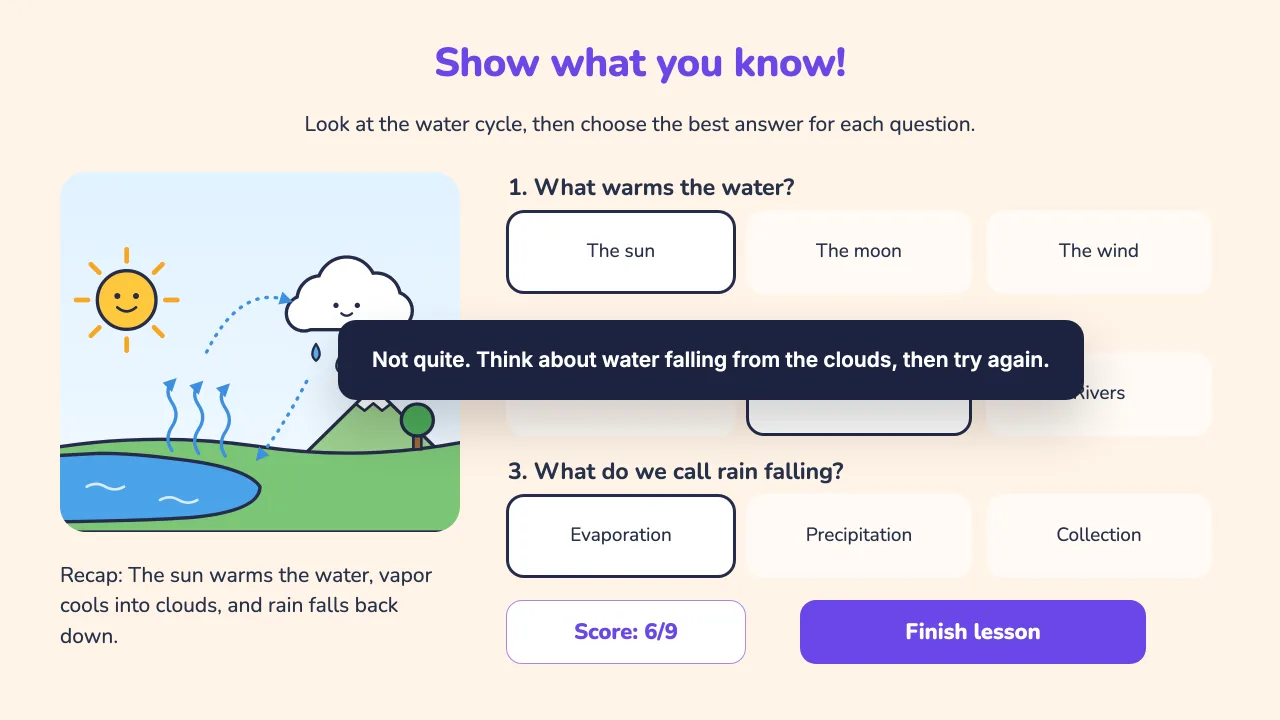
A hint and another try
Main idea & details — Unit 4
- Amara · 5th · reads at 2nd gradeIdentify stated main idea with picture supportPath A — scaffolded
- Devon · 5th · reads at 4th gradeIdentify main idea + 2 supporting detailsPath B — on-level
- Riya · 5th · reads at 6th gradeDistinguish main idea from theme; cite evidencePath C — extended
Special education lessons, ready today.
Interactive lessons on the marketplace, free to use. Open one to see what's inside, then add it to your library and assign it to your students with a free account.
 NewFree
Splash Day!
Freeby Berdee OriginalsReceptive LanguageGrades K–2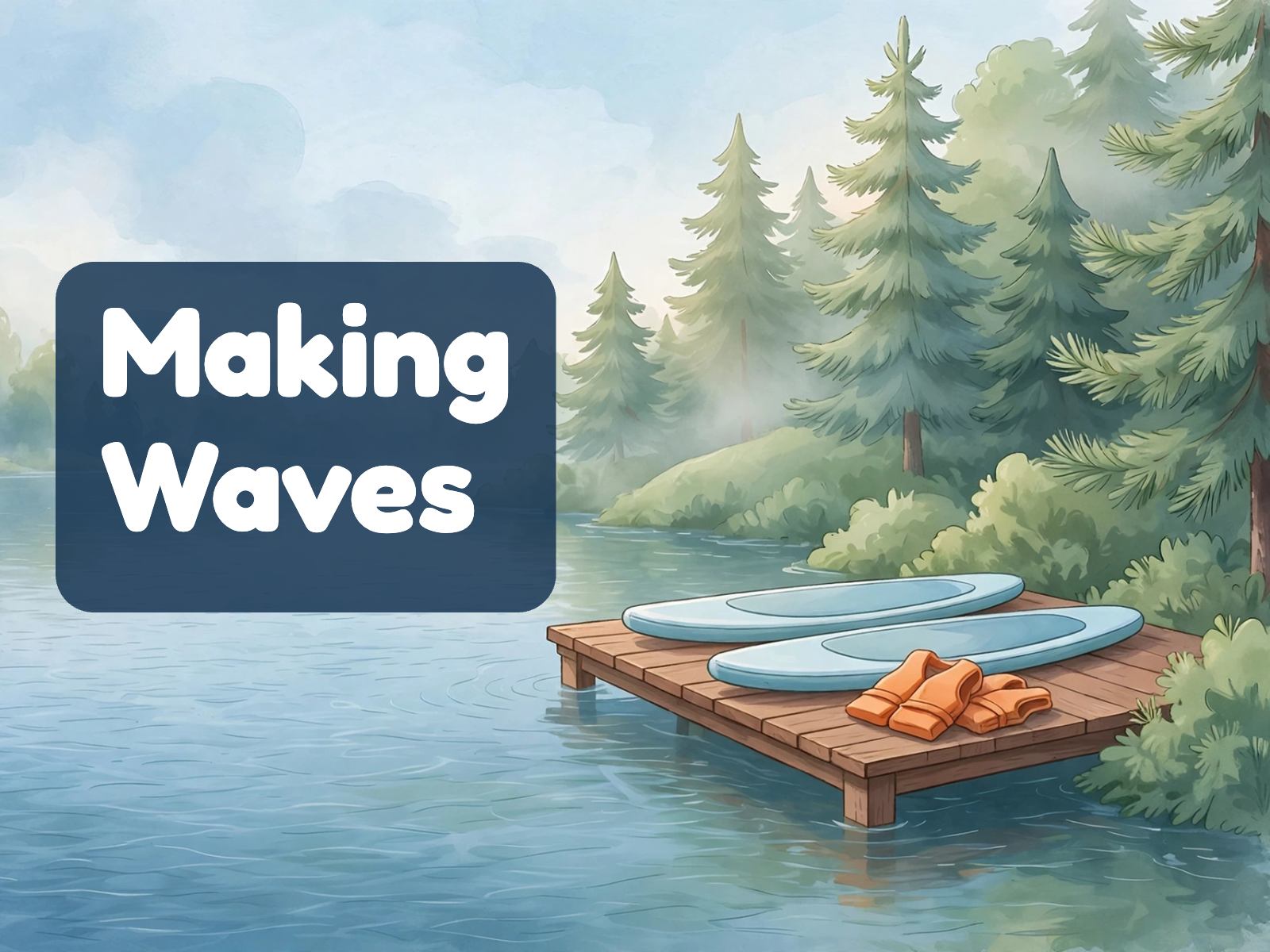 NewFree
Making Waves: Cause, Effect and Speaking Up
Freeby Berdee OriginalsFigurative LanguageGrades 3–5 NewFree
The Great Snack Swap
Freeby Berdee OriginalsReceptive LanguageGrades 3–5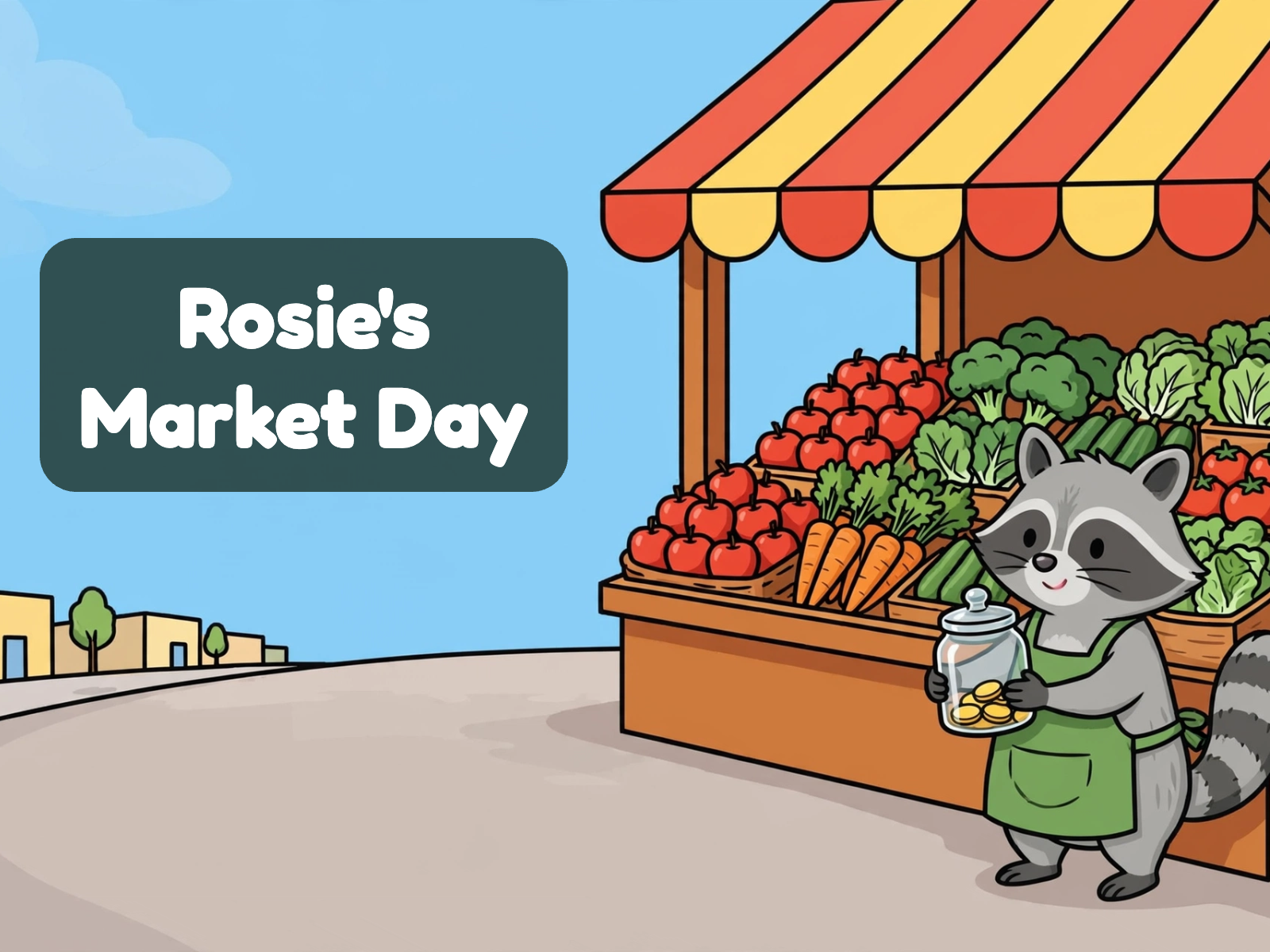 NewFree
Rosie's Market Day: Money Words and Smart Choices
Freeby Berdee OriginalsReceptive LanguageGrades 3–5 Free
Pumpkin Steps: Carve It Safe!
Freeby Berdee OriginalsResponsible Decision MakingGrades K–2 Free
Halloween Memory Line-Up
Freeby Berdee OriginalsSpecial Executive FunctionsGrades K–2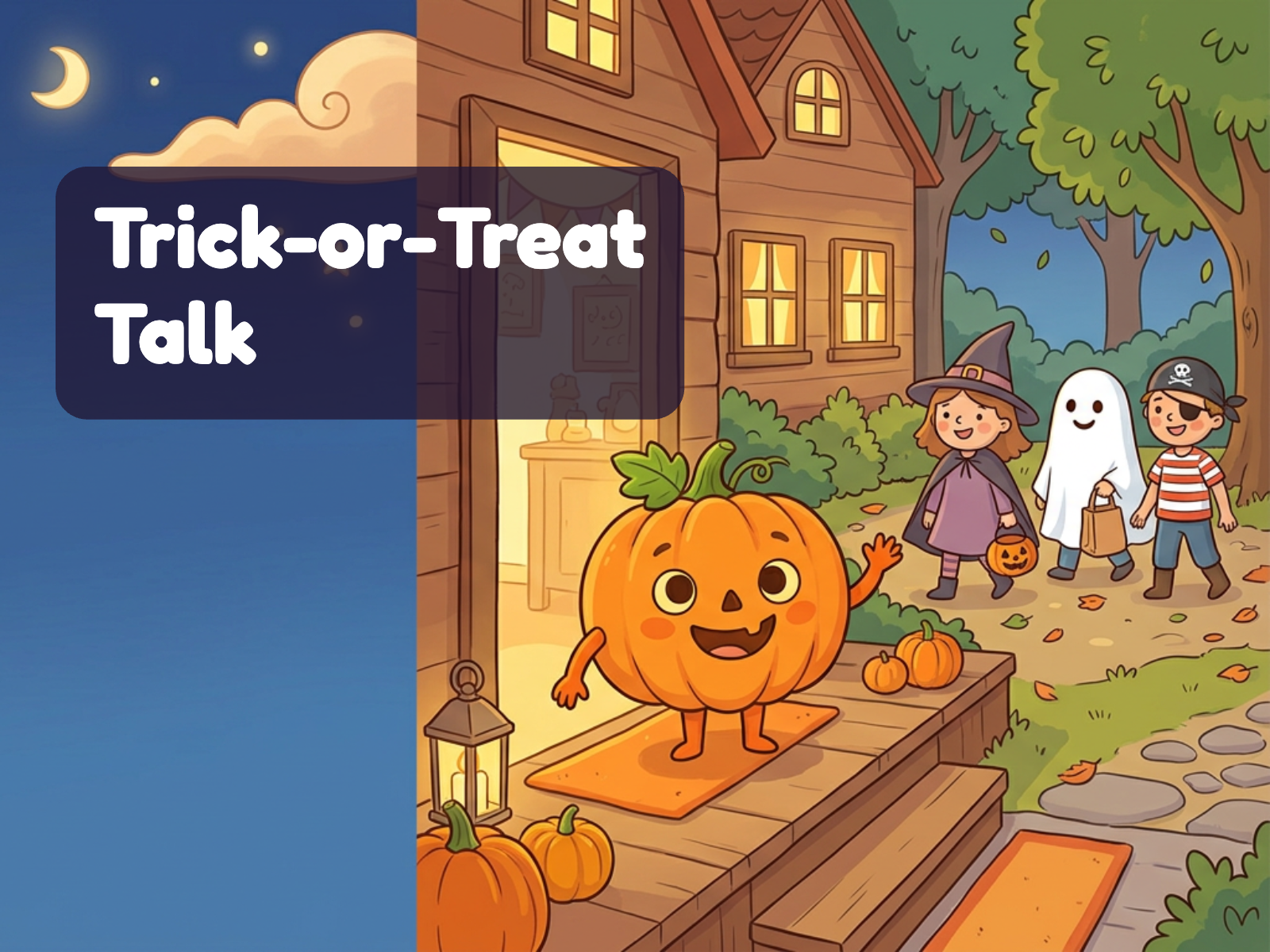 Free
Trick-or-Treat Talk
Freeby Berdee OriginalsSocial Aspects of CommunicationGrades K–2 Free
Hazel's Number Spell: Listen and Remember
Freeby Berdee OriginalsSpecial Executive FunctionsGrades K–2 Free
Pip's Thanksgiving Dinner: Yes or No?
Freeby Berdee OriginalsThanksgiving USGrades Pre-K–2 Free
Shadow Supper: Match the Thanksgiving Foods
Freeby Berdee OriginalsVisual Perception SkillsGrades K–2 Free
Feeling Faces: Scared, Excited, Tired and Worried
Freeby Berdee OriginalsSelf AwarenessGrades Pre-K–1 Free
What Is Gus Doing? Turkey Action Words
Freeby Berdee OriginalsExpressive LanguageGrades Pre-K–2
Most tools assume every student reads at the same level and works at the same pace.
Yours don't. These three frustrations come up at planning time, at IEP meetings, and at every progress-report deadline. Berdee was built with all three in mind.
Three reading levels, three nights of prep.
One 5th grader reads at a 2nd-grade level; another reads at a 7th-grade level. Same standard, different scaffolding. With Berdee, one lesson can serve three IEPs: choose which supports each reading level sees, let each student’s answers pick the path, and build once. You handle the teaching.
The right reading level, made for a younger kid.
A 14-year-old reading at a 2nd-grade level still deserves material made for a 14-year-old. Pair age-appropriate pictures and topics with text at their reading level and the supports they need, all in one lesson. Swap the passage and the activities keep working. On Plus, Ask Berdee can rewrite the text at a different reading level for you in the studio. Every student gets work that meets them where they are and respects who they are.
IEP progress reports that take a whole weekend.
Every attempt is timestamped and scored — each answer, how many tries it took, and how long it took. When reports are due, you're not piecing it together from sticky notes and observation logs: open each student's record and the numbers are already there.
Four steps. One lesson. Three IEP paths.
Here's what a differentiated reading lesson looks like for three kids in the same room — from the first scene to report time.
- 1
Build the lesson.
Main idea and details, 5th-grade standard, three reading levels — second grade, on-level, and extended. A passage, a Highlighter, and the questions that go with it.
- 2
Set the reading levels.
One lesson, three paths. Choose which supports appear at each reading level, and let each student's answers pick the path: a hint and another try for one, a challenge for another. Everyone gets the same lesson, each with their own link.
- 3
Assign and run.
Assign it (Free covers up to 5 students; Plus covers a full class), and students open the lesson on whatever device the school issued. Berdee records every attempt as they go: each answer, whether it was right, how many tries it took, and the time spent on each question. No separate data app.
- 4
Pull it up at report time.
Open each student's record: every attempt, score, and answer from the quarter, in one place. No more weekends lost to reports.
Built for the room you actually teach in.
Most tools assume one curriculum and one pace for the whole room. Special education rarely works that way. Here's how Berdee fits.
No per-student pricing on a roster that keeps changing.
Kids join your caseload in October. They transfer in January. They age out in March. Paying per student turns every change into a billing question. Berdee charges for your account, not for every student you serve.
Accessibility is built in, not added on.
Built to WCAG 2.1 AA, with an independent audit planned. OpenDyslexic, Lexend, and Atkinson Hyperlegible are built in: set one as a lesson's font, or on any text. Keyboard navigation and screen-reader labels on every widget. Give each image a short description (alt text) so screen readers can say what it shows.
Data for IEP reports, without a second tool.
One place to run the lesson. One place to see the data. No copying data between Berdee and a separate data-collection app. Trial-by-trial scores live in the same system you assigned the lesson from.
Built for the rest of your caseload week.
The differentiated lesson is the headline. Here are the other places Berdee shows up for a SpEd case manager.
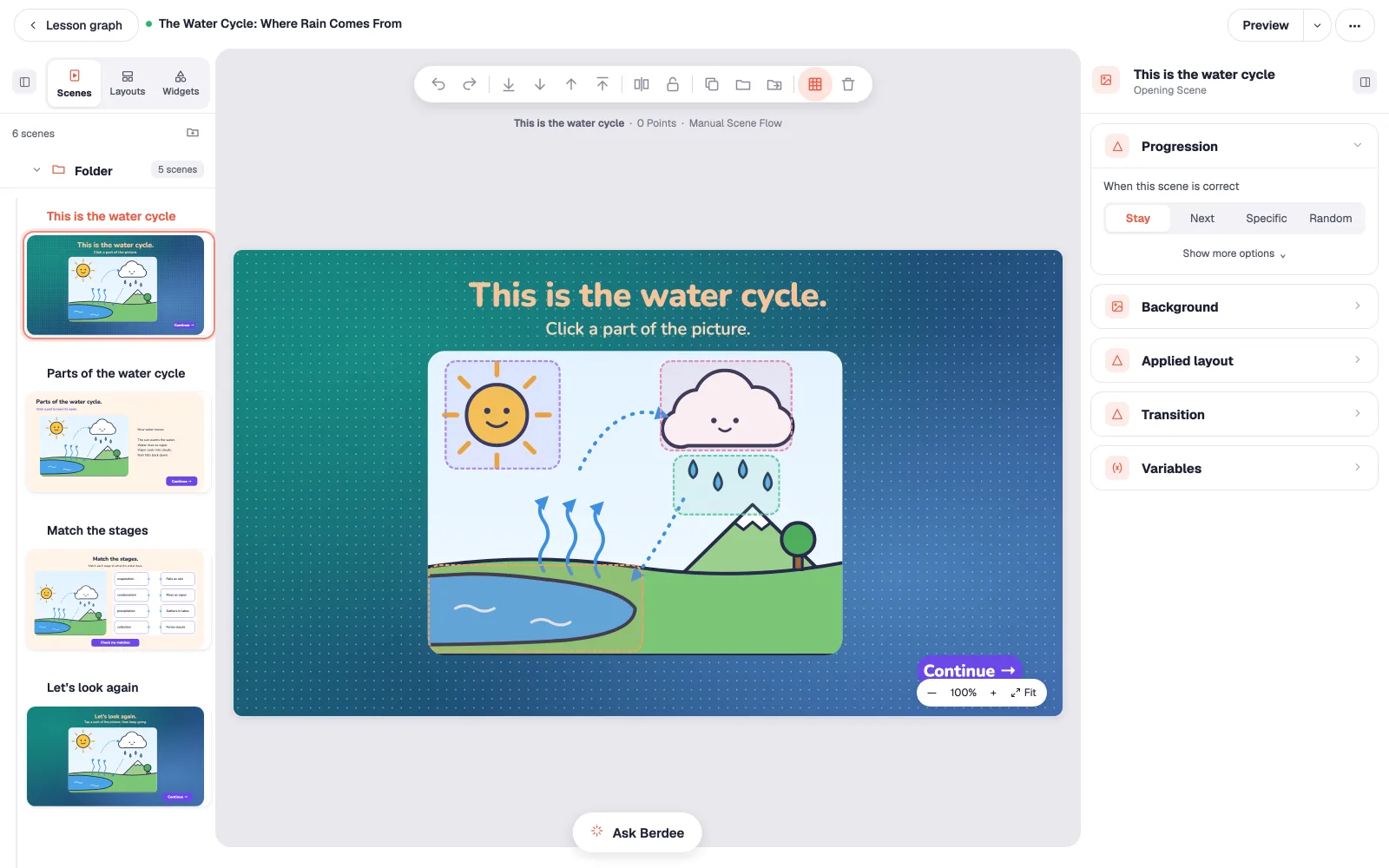
Re-level a passage with Ask Berdee.
On Plus, open Ask Berdee in the studio with the scene in front of you and say "Rewrite this passage at a second-grade reading level, same content." It shows you what it changed, with an Undo right there. Berdee handles the rewrite; you decide whether it's right.
A marketplace that's just opening.
The marketplace opens with Berdee, and SpEd lessons will arrive as teachers who've already done the differentiation work publish them. When you buy one, it's one license for your whole caseload — no per-student math.
Publish what you've built.
The differentiated units you've built could help other teachers. Sell them on the marketplace with Studio Pro: 85% standard revenue share (100% for founding creators, first 100), monthly Stripe payouts, public storefront. The prep you've already done, earning for you.
Start free. Build a lesson that works for every kid in the room.
No credit card. No per-student fees, even when your roster changes mid-year.